This weeks's learning involved studies about the use of technology with different learning styles and abilities. Recent studies in brain research show that each learner has his own style of learning and these various learning styles can be addressed through the use of technology. "Because of their inherent flexibility, digital technologies can adjust to learner differences, enabling teachers to (1) differentiate problems a student may have using particular kinds of learning media from more general learning problems and (2) draw upon a student's other strengths and interests that may be blocked by the exclusive use of printed text." (Rose, David H. and Meyer, Anne, 2002) This applies to all learners, including those with special needs and lower socioeconomic disadvantages. According to Page (2002) “…students with special needs have experienced increased levels of performance and support when engaging in instruction involving computers…computers were particularly effective with low-achieving students. In addition, it has been shown that students with learning disabilities who used computers performed logical-thinking tasks significantly more in problem-solving activities, and students susceptible to failure were found to increase their likelihood for success when using computer technologies. ”
The UDL or Universal Design for Learning is a comprehensive document that demonstrates all aspects of the learning process. The use of the UDL as a framework for the use of technology insures that all students will have a greater opportunity to learn. "The UDL framework provides a way to make various approaches to educational change more feasible by incorporating new insights on learning and new applications of technology.." (Rose, David H. and Meyer, Anne, 2002)
Reference:
Page, M.S. (2002). Technology-enriched classrooms: Effects on students of lowsocioeconomic status. Journal of Research on Technology in Education, 34(4),289-409. Retrieved August 8, 2009 from the International Society of Educationhttp://www.iste.orgAMTemplate.cfm?Section=Number_ 4_Summer_20021&Template=/MembersOnly.cfm&ContentFileID=830
Rose, David H. and Meyer, Anne (2002). Teaching Every Student in the Digital Age: Universal Design for Learning. Alexandria, VA: Association for Supervision and Curriculum Development. Available online at the Center for Applied Special Technology website. Chapter 1. Retrieved on February 28, 2011, from http://www.cast.org/teachingeverystudent/ideas/tes/.
About Me
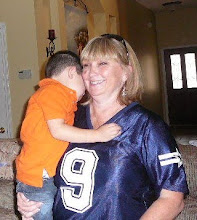
- Pam Mahalec
- I'm a late bloomer...going back to school after my children are grown. I have 1 precious grandson and 3 children. I teach Homebound Students (too sick to attend school, but can work at their own pace). I hope to earn my Master's Degree in Educational Technology Leadership in order to move to the college level at some point.

No comments:
Post a Comment